
About Marty Luxury amentities. New, high tech, and safe equipments.
Meet Marty Curtis A Lifetime in the Game
Marty Curtis has spent a lifetime inside the game of golf—though rarely in the way the industry expects.
He began working at thirteen as a pizza apprentice under Dominic Caruso at Caruso Pizza in Bolton, learning precision, discipline, and repetition in an environment that demanded consistency at the highest level. At a time when traditional stone ovens and old-world techniques were rare in Canada, Dominic was a master of his craft—and training under him was no small thing. Long before Marty understood it, those early lessons in feel, structure, and execution would become foundational to everything he would later teach.
By sixteen, he was working at the National Golf Club of Canada, where he encountered legends of the game, including Moe Norman.
But Moe Norman was more than a passing influence.
He saw something in Marty that Marty himself had not yet recognized—and took him under his wing as both a coach and mentor. Through that relationship, Marty was exposed to a radically different understanding of the game: one rooted in simplicity, repetition, feel, and truth. It was a perspective that would stay with him long after his early competitive years.
Marty’s path as a young player was strong. He captained his high school team, won the Ontario Junior Championship qualifier, and narrowly missed advancing further at sixteen. But like many talented players of that era, he encountered a culture shaped by intimidation, hierarchy, and exclusion—forces that affected not only him, but also figures like Norman himself.
Instead of forcing his way through it, Marty stepped away.
What followed was not a detour, but an expansion.

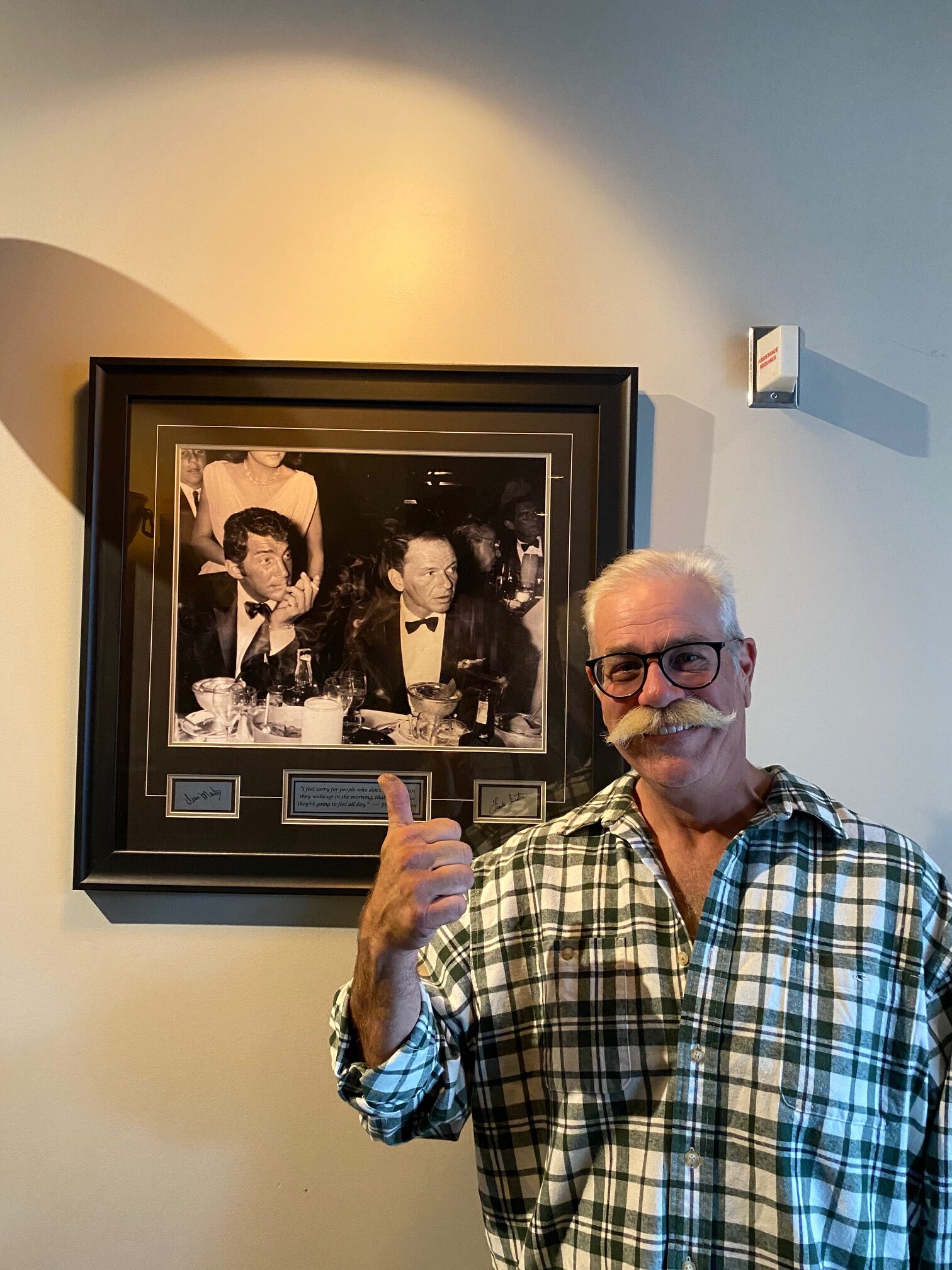
He worked across every layer of the golf world—course maintenance, fairway mower operator, Course Setup, back shop operations, starter and marshal roles at clubs including Mayfield Golf and Country Club and Brampton Golf and Country Club. He was part of the opening of The Pulpit Club in 1990, managing both food and beverage and guest experience at just nineteen.
He learned the game not from one position—but from all of them.
Then, unexpectedly, he built something entirely different.
In Muskoka, Marty created Marty’s World Famous Café, a small operation that grew into an international destination. Featured in the New York Times, Lonely Planet, and national media, it became known for what many called the best butter tarts in the world—so much so that the recipe was eventually acquired by The Keg Steakhouse + Bar.
His cookbook, Marty’s World Famous Cookbook, became a Canadian national bestseller—twice—and remains available today.
Despite that entire journey, golf remained.
When Marty returned fully to the game decades later, he did so with something most instructors never develop: a complete understanding of the relationship between the body, the club, and the mind—shaped not only by experience, but by the early influence of a mentor who believed in simplicity above all else.
At the centre of that understanding is one foundational truth:
The grip is everything.
Through his Grip Alignment system, Marty customizes each club to the player—not the other way around. By physically aligning the grip to the natural position of the golfer’s hands, he removes guesswork, reduces tension, and restores control. The result is immediate: increased confidence, improved consistency, and a more natural connection to the game.
But for Marty, the work goes deeper than mechanics.
Having experienced firsthand the effects of intimidation, exclusion, and pressure within the sport, he understands how easily people can be pushed away from something they once loved—or never given the chance to love at all.
Today, part of his work is helping people return—not just to the game, but to themselves.
For some, that means rediscovering golf after years away.
For others, it means picking up a club for the first time—often without ever having imagined it would become part of their life.
What many don’t expect is what the game gives back.
Golf has become, in many cases, a powerful tool for men’s health. The simple act of walking the course, engaging the body, breathing fresh air, and reconnecting with a natural rhythm creates space—mentally and physically—that’s often missing elsewhere. The focus required quiets the noise. The repetition builds confidence. And over time, the game creates connection—with others, and with oneself.
There is also a growing understanding of how activities like golf support the brain. The combination of movement, focus, and reward creates natural dopamine responses, helping reinforce positive patterns of behaviour. For individuals dealing with ADHD, high stress, or the lingering effects of trauma, this kind of structured engagement can be especially powerful.
Rather than working against how the brain is wired, the game begins to work with it.
Through repetition, rhythm, and small, consistent wins, players often experience a shift—from feeling scattered or reactive to feeling focused and in control. What might once have been seen as a limitation can begin to function as an advantage, as attention, awareness, and responsiveness sharpen over time.
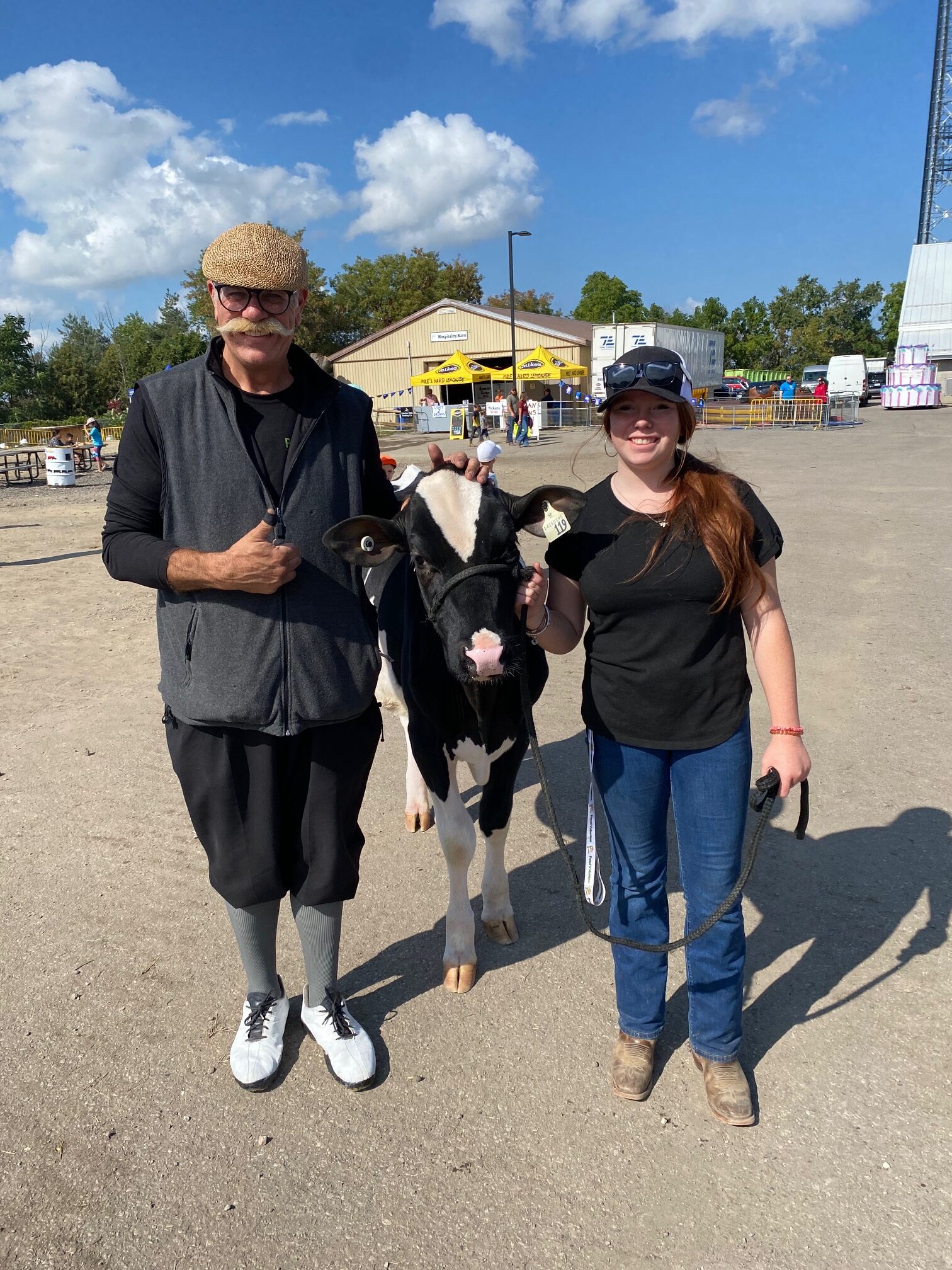
Through a grounded, judgment-free approach, Marty introduces the game in a way that feels accessible, structured, and real—helping people build not just a swing, but a sense of control, clarity, and forward movement.
Golf, in Marty’s hands, becomes more than a sport.
It becomes a framework for focus, movement, and mental clarity.
A way to step outside, reset, and rebuild.
In addition to his work in golf, Marty quietly offers consulting to individuals navigating personal and professional transitions—whether that’s writing and publishing their own work, or finding clarity through periods of change. His approach remains the same: simplify, ground, and build from what is real.
Today, Marty works independently as a mobile instructor and consultant, meeting players where they are—whether at a driving range, a private course, or a quiet place to begin again. His work blends technical precision with something less tangible but equally important: grounding, confidence, and a renewed relationship with the game itself.
Golf, as he teaches it, is not just something you play.
It is something you return to.